Mold After Fire Damage in Kenwick, KY
Mold removed from wet drywall, insulation and sound framing after a fire in your Kenwick property. Call 24/7 to start your moisture assessment and cleanup.
- Firefighting water traced
- Containment and HEPA filtration
- Wet materials assessed
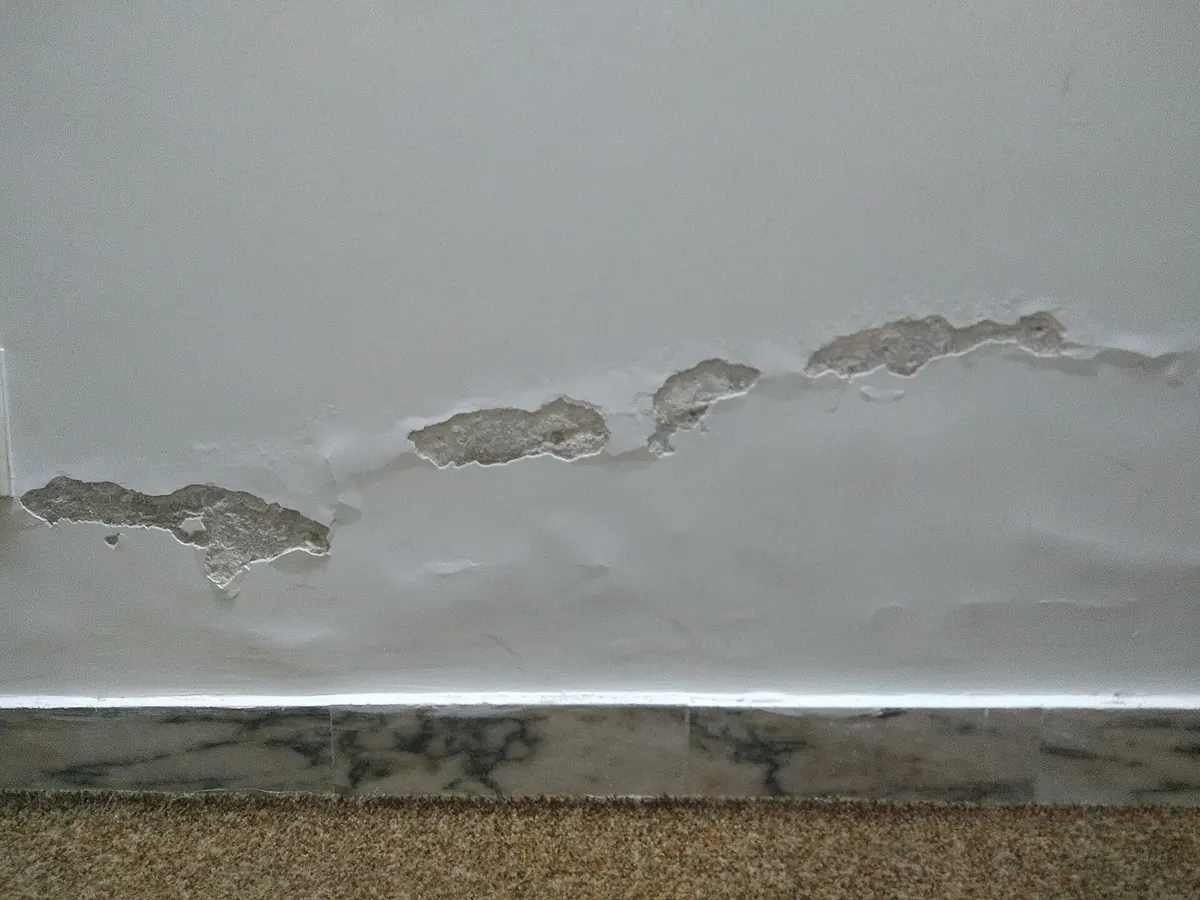
Kenwick Services for Mold After Fire Damage
Where firefighting water reached your attic framing, ceilings, walls or floor layers, cleanup addresses mold. The work removes damaged materials and includes both drying and cleaning of sound surfaces.
Water used to put out fire can reach rooms untouched by flames. Moisture mapping follows wet drywall, wet insulation and concealed cavities beyond visible mold growth.
Your written scope of work separates mold removal from fire restoration, soot cleaning and burned materials. Access stays limited to areas released for entry.
- Firefighting water and moisture source assessment
- Contained drywall and insulation removal
- Sound framing and cavity cleaning
- Structural drying with moisture readings
- Final checks before replacement finishes
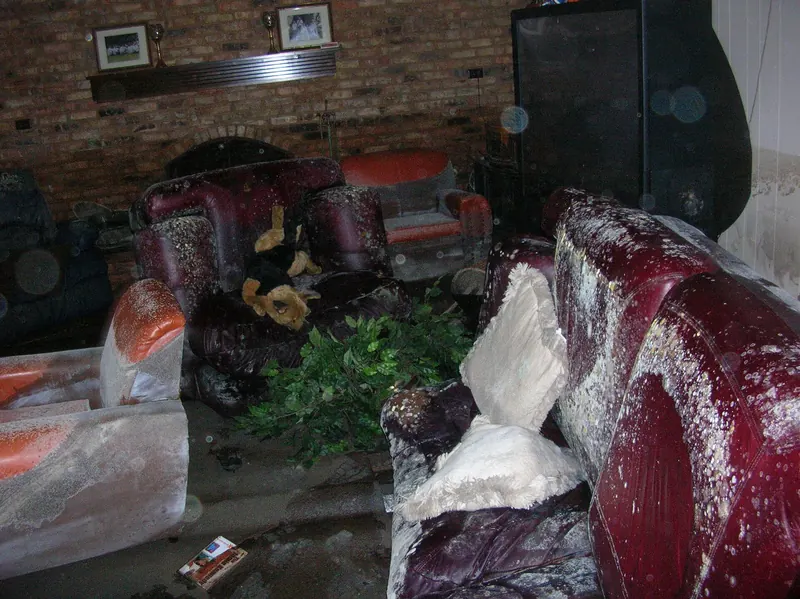
Signs You Need Mold Cleanup After a Fire in Kenwick
Musty smells, growth and moisture warrant a post-fire assessment.
Mold Along Cabinet Areas and Flooring Edges
Around baseboards, cabinets or flooring, growth or swelling becomes visible.
Damp Ceilings Below the Fire
You may notice soft or stained ceilings where water remains between floors.
Mold on Previously Wet Walls
Away from flames, you notice spots where firefighting water reached trim or drywall.
Wet Insulation Under Roof Openings
Your attic insulation remains wet in places water reached.
Musty Odor Beneath Smoke Odor
A musty smell persists as smoke odor fades.
The Process for Mold Cleanup After Fire Damage
Your cleanup starts with access permission, followed by removal, drying and final checks.
Access and Mold Assessment
Entry limits define which rooms are accessible. A thermal imaging camera cannot identify mold, only temperature differences; dampness mapping uses a moisture meter.
Moisture Source and Cleanup Scope
Checks examine roof openings, leaks and the paths water took. Board-up and leak repair, plus smoke damage restoration and water removal, stay distinct from mold work in the scope.
Mold Containment and Filtration
Poly sheeting forms a containment barrier. To reduce spreading particles, work uses negative air pressure, protective equipment and a HEPA air scrubber.
Damaged Material Removal
Bagging takes place within containment for unsalvageable water-damaged materials and moldy insulation. Affected cavities are opened through drywall removal; debris travels on a protected path.
Framing and Surface Cleaning
HEPA vacuum cleaning, followed by suitable damp cleaning, treats non-porous surfaces and sound framing. Antimicrobial treatment does not replace removal; soot requires separate cleanup.
Structural Drying
Support for the drying process comes from controlled air movers plus dehumidification. While ongoing water entry is addressed, moisture readings inform changes to drying equipment.
Mold Cleanup Verification
Post-remediation verification covers drying and cleaning. When clearance testing is specified, an independent assessor carries out testing.
Containment Removal and Repair Handoff
Final cleaning and verification happen before containment is dismantled. Correct moisture and complete needed fire and water damage repairs before installing replacement finishes.
Mold After Fire Damage: Why Choose Lexington Mold Removal Services
Calls Answered 24/7
One number starts your post-fire mold assessment across the metro, including nights and weekends.
Removal Through Final Checks
Removing, cleaning and drying materials precede the final checks and containment removal.
Contained Work With HEPA Filtration
Containment shields nearby areas; HEPA filtration is selected to suit material removal.
Clear Mold Cleanup Scope
In your scope, rebuilding and smoke cleanup remain separate from mold removal plus drying.
Firefighting Moisture Traced First
Before removal, assessment follows water through floor layers, ceilings and cavities within walls.
Steps Before Mold Cleanup After a Fire in Fayette County
Call for your assessment. Leave all restricted areas untouched.
- Respect Fire Restrictions. Address electrical and structural hazards before you approach wet materials.
- Leave Mold Undisturbed. Do not disturb mixed fire debris, scrape growth or pull out insulation.
- Keep Affected HVAC Off. Equipment suspected of mold contamination can scatter mold spores when running, so EPA says to leave equipment off.
- Avoid Wet Wiring. Do not approach water near electrical outlets, damaged fixtures or panels.
- Keep the Work Area Clear. Keep people and pets outside affected rooms and the debris removal route.
Cost of Mold After Fire Damage in Kenwick, KY
Mold cleanup and repair figures shown here overlap and reflect national ranges. Neither adding them up nor treating them as a full fire restoration price is appropriate.
Typical national range, average $3,500
$1,500 to $9,000 per jobSource: Fixr, Mold Remediation Cost (checked 2026-10-23)Restoration for severe cases
$10,000 to $20,000 per jobSource: Fixr, Mold Remediation Cost (checked 2026-10-23)Damage repair after remediation
$2,000 to $20,000 per jobSource: Bob Vila, Mold Remediation Cost (cites Angi and HomeAdvisor) (checked 2026-10-23)For areas larger than about 10 square feet: professional rate
Each square foot costs $10 to $30Source: Fixr, Mold Remediation Cost (checked 2026-10-23)What Changes Post-Fire Mold Cleanup Cost
- Replacement finishes
- Insulation and debris volume
- Access behind walls and ceilings
- Affected square footage
- Drying equipment and moisture levels
- Separate roof and leak repairs
Cleanup Scope: What Your Price Covers
These published national ranges are planning figures. Your on-site assessment defines the work and price before cleanup starts, including any separate source repairs or rebuilding.
Call (844) 352-3560 about costMold After Fire Damage Service Area Across Greater Lexington
Call (844) 352-3560 to arrange cleanup in Kenwick or nearby communities. One number covers the metro.
Mold After Fire Damage in Locations Near Kenwick
Frequently Asked Questions About Mold After Fire Damage in Kenwick
During mold cleanup, is the property suitable for you to stay in?
Whether you can stay depends on structural condition, working utilities and fire restrictions. Mold work requires separation from occupied rooms and a controlled debris route. Set access restrictions ahead of removal. Containment does not by itself establish suitability for occupancy, and repairs leave some properties unoccupied throughout.
Should testing happen before or after cleanup following a fire?
EPA guidance often does not call for air sampling when visible mold is present. Inspection and moisture mapping establish the affected area. Cleaning and drying are checked before containment comes down. Specified clearance testing is carried out by an independent assessor. Indoor mold levels have no limit set federally.
Must all drywall and framing damaged by fire be removed?
Removal depends on assessed damage and material condition. Moldy drywall and insulation may need disposal, while sound framing can often be cleaned and dried. A separate structural evaluation is needed for burned wood. In your scope, structural repairs and demolition after a fire remain separate from mold removal.
How long should you allow for mold cleanup following a fire in Kenwick?
Your timing depends on access permission and assessment. Drying framing takes different effort from opening damp cavities or removing insulation. Use moisture readings to guide drying duration. Fire repairs, along with final checks, influence the timing of room reopening and replacement finish installation.
What should you expect post-fire mold cleanup cost to be in Fayette County?
Pricing depends on concealed moisture and affected square footage, plus the removal and drying you need. The cards show national ranges with different scopes and units. Ahead of starting work, the assessment defines your mold cleanup charges while distinguishing replacement finishes, smoke cleaning and moisture repairs separately.
Is mold likely to reappear after cleanup?
Mold may reappear when water gets in again or dampness persists. Tracing firefighting water and active leaks is part of your cleanup before removal starts. Sound surfaces undergo cleaning and drying; the scope specifies corrections for moisture. Replacement finishes follow drying checks to avoid covering damp materials.
Are smoke damage and leaks addressed as part of mold cleanup?
Include leak repair and smoke cleaning only where your scope names those tasks. The assessment identifies ongoing water entry and separates corrections from mold removal. Burned materials and soot require work specific to fire restoration. New finishes over affected areas wait until drying and verification are complete.
Post-Fire Mold Cleanup and Insurance in Kentucky
Your policy terms and moisture cause affect homeowners insurance, along with exclusions, the deductible and mold coverage limits. Your claim's treatment of fire repairs may differ from its treatment of mold cleanup.
Post-Fire Mold Work and Safety Across Greater Lexington
Fire damage and restricted entry are considered during cleanup, as is water contamination.
Mixed Fire Debris
After exposure to damaged materials and soot, the water's condition is checked.
Structural Damage
Whether burned framing supports its load is not established through mold cleaning.
Restricted Work Zones
An air filtration device works with containment to reduce particle movement as materials come out.
Hidden Mold
Assess wet cavities despite dry-looking finishes in nearby areas.
Cleanup scope: EPA guidance for homeowners covering areas under about 10 square feet does not address fire hazards. Seek professional assessment for contaminated water, extensive damage or involvement of HVAC.
Mold Materials Damaged by Firefighting Water in Fayette County
Cleaning or removing your materials depends on their condition.
Drywall and Insulation
- Concealed cavities may require removal of affected porous materials to allow access and drying.
Wood Framing
- Sound wood is cleaned and dried. Fire-damaged framing needs a separate structural assessment.
Tile, Metal and Floor Layers
- Non-porous surfaces within reach may allow cleaning. Each damaged carpet, cabinet and subfloor receives assessment.
Post-Fire Mold Cleanup Timing in Fayette County
Your schedule follows access, removal, drying and repairs.
- Access Restrictions: Room restrictions postpone the assessment and delay starting removal work.
- Concealed Moisture: Repeated readings track drying inside opened wall and floor assemblies.
- Repair Readiness: Replacement finishes wait for moisture corrections and final verification.
Fire Damage in Greater Lexington: Mold and Smoke Odor
Musty smells call for checks of moisture and affected materials. Separate fire cleanup addresses soot and smoke odor; fragrance cannot resolve either source.
A dehumidifier can help you regulate humidity, though it neither removes mold nor repairs leaks. For indoor relative humidity, EPA recommends staying below 60 percent; ideally, aim for 30 to 50 percent.
Mold Work and Fire Repair: Requirements in Kentucky
Mold Work Requirements
Kentucky has no state certification or license for mold remediation companies, according to the Attorney General's office. State rules (40 KAR 2:330) do set minimum standards such as a written contract and a written assessment and remediation plan, so homeowners can ask any contractor about training and experience.
EPA Guidelines for Drying
To prevent mold growth, get water-damaged areas and items dry within 24 to 48 hours.
Fire Repair Permits
Permit requirements depend on the structural, roof or electrical work included.
State Mold Information
The Kentucky Cabinet for Health and Family Services, Environmental Management Branch, has a mold page with tips on humidity, cleanup and prevention. The page says the Cabinet has no authority over mold exposure or remediation.
State guidance: Kentucky Attorney General, Mold Remediation (Internet Archive copy, Oct 2024); 40 KAR 2:330 Mold remediation, Kentucky Legislature (Internet Archive copy, Sep 2026); Kentucky Real Estate Commission, KREC Form 402 Seller's Disclosure of Property Condition; Cabinet for Health and Family Services, Mold page (Internet Archive copy, Mar 2024)
Related Services and Next Steps
Start Your Mold After Fire Damage in Kenwick
Call 24/7 to arrange your assessment. Your cleanup starts with the affected surfaces, moisture source and access to your home.